
You published your first listing on ListYourProject. Good. The next question is not how to flood fifty random directories overnight. It is how free directory pages fit into the stack you just started, so each new link reinforces a listing that already looks finished.
Free directories are useful after you have one strong home base. Used too early, they scatter your attention into thin profiles. Used in order, they extend discovery without rewriting your whole story every night.
Why the first listing comes before the free list
Your first listing is where you settle the basics: product name, one-sentence job, category, screenshots, and a URL that resolves cleanly. Until those pieces are solid, copying them into free forms just multiplies half-finished pages.
Search engines and human browsers both reward consistency. If your ListYourProject page says one thing and a free directory says another, you train neither channel well. Fix the primary listing first. Then reuse the same core copy with light tweaks.
Treat ListYourProject as the canonical card. The free pages are satellites. Satellites should orbit a finished center, not replace it. That mindset also stops the habit of treating every new free URL as a fresh marketing project. You already decided what you are. Free forms should echo that decision.
If you are still unsure about category or positioning, spend the next session on the primary listing only. A clearer home page beats five rushed free submissions that you will need to edit later when the story changes.
How to use the free directories page without turning it into a scavenger hunt
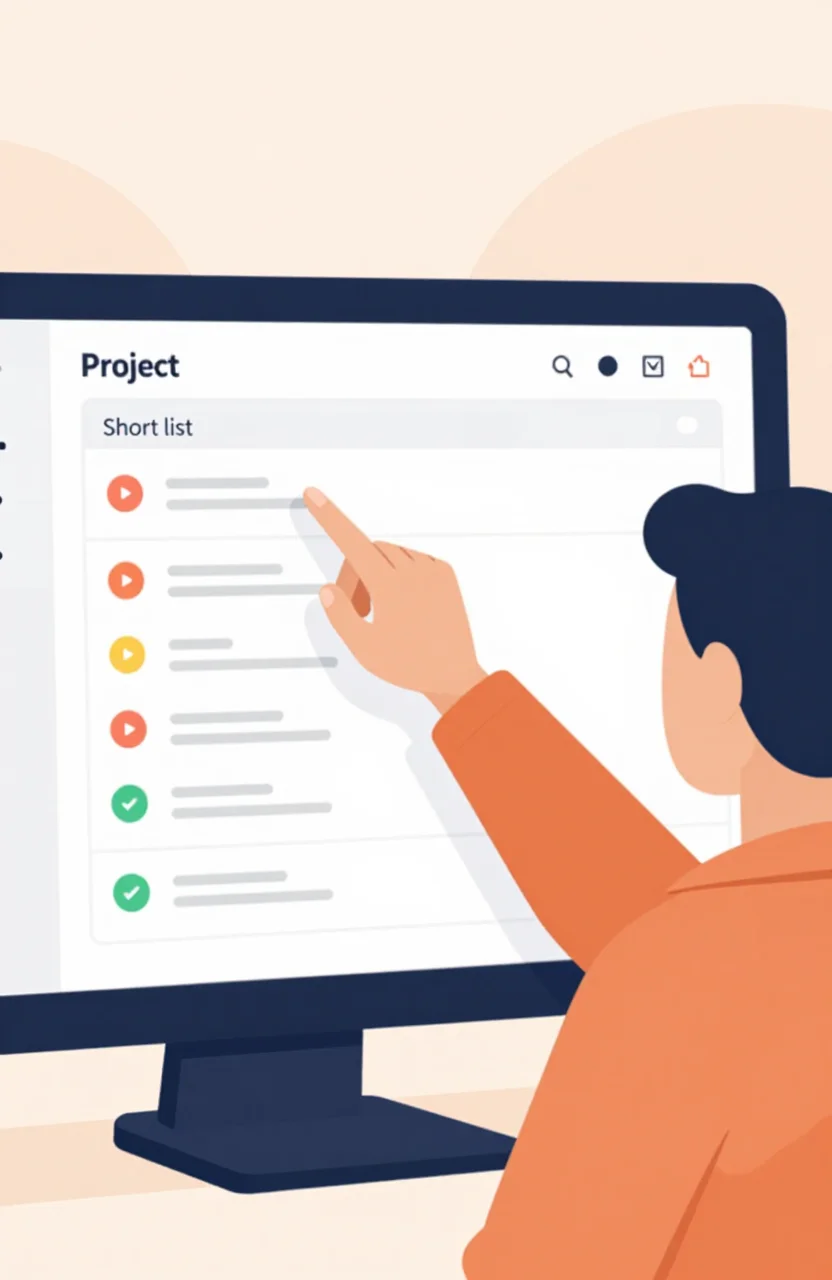
Open the free directories page with a filter in mind. You are not collecting logos for a slide deck. You are picking sites where your category exists, where submissions are still open, and where you can finish a profile in under thirty minutes.
Batch by similarity. Do three developer-tool directories in one sitting if that is your niche. Do three design or productivity directories the next day. Context switching between unrelated forms is what makes free submission feel endless.
Skip directories that demand essays, forced social shares, or unclear ownership of the listing. Free does not mean frictionless, but it should not cost a full afternoon for a page nobody will find. Also skip directories that force you into a category that misrepresents the product. A wrong category creates the wrong clicks.
A practical order after ListYourProject
Day one after your main listing is live: confirm the public URL, check the category, and save your description in a plain text note. Day two: submit to two free directories from the curated list that match your niche. Day three: submit to two more only if the first two went smoothly. Pause if forms start asking for different positioning. That is a signal to tighten your home listing again.
Keep a simple log with the directory name, live URL, date submitted, and whether the listing is public yet. You do not need a CRM. You need enough memory to update the page when you change pricing or rename a feature.
What to copy, what to customize
Keep the product name, homepage URL, and primary benefit identical across sites. Customize the first line when a directory asks for a shorter tagline or a specific audience. Do not invent a new brand promise for every form.
If a free directory forces a long description, expand with proof points you already trust: who it is for, what problem it removes, and what happens after signup. Avoid stuffing keyword lists. Free pages that read like spam get ignored by people even when they stay indexed.
When you need a broader view of which directory types tend to return traffic, keep directories that pay you back in traffic as a reference. Use it to prioritize niches, not to abandon your free-after-primary sequence.
Screenshots deserve the same discipline. Use the same primary visual on ListYourProject and on free forms unless a site requires a strict size. Mixed visuals make your product look unfinished across the web.
Signals that you should pause free submissions
Pause if your primary listing still has a broken image, a vague title, or a category that does not match what you sell. Fixing that page once beats submitting twelve weak copies.
Pause if referral traffic from free directories is zero after a few weeks and your analytics show bounce from mismatched landing pages. Free directories cannot rescue a homepage that confuses the click.
Pause if you are spending more time hunting new free URLs than improving the one listing buyers already see. The free page is a helper, not the strategy. Pause also when your product changes weekly. Wait until the offer stabilizes, then batch the free submissions again with updated copy.
Keep the stack small enough to maintain
A maintainable stack looks like this: one strong ListYourProject listing, a short set of free directories that you can update when you change pricing or positioning, and maybe one paid upgrade later if a platform earns it. That is enough for most early sites.
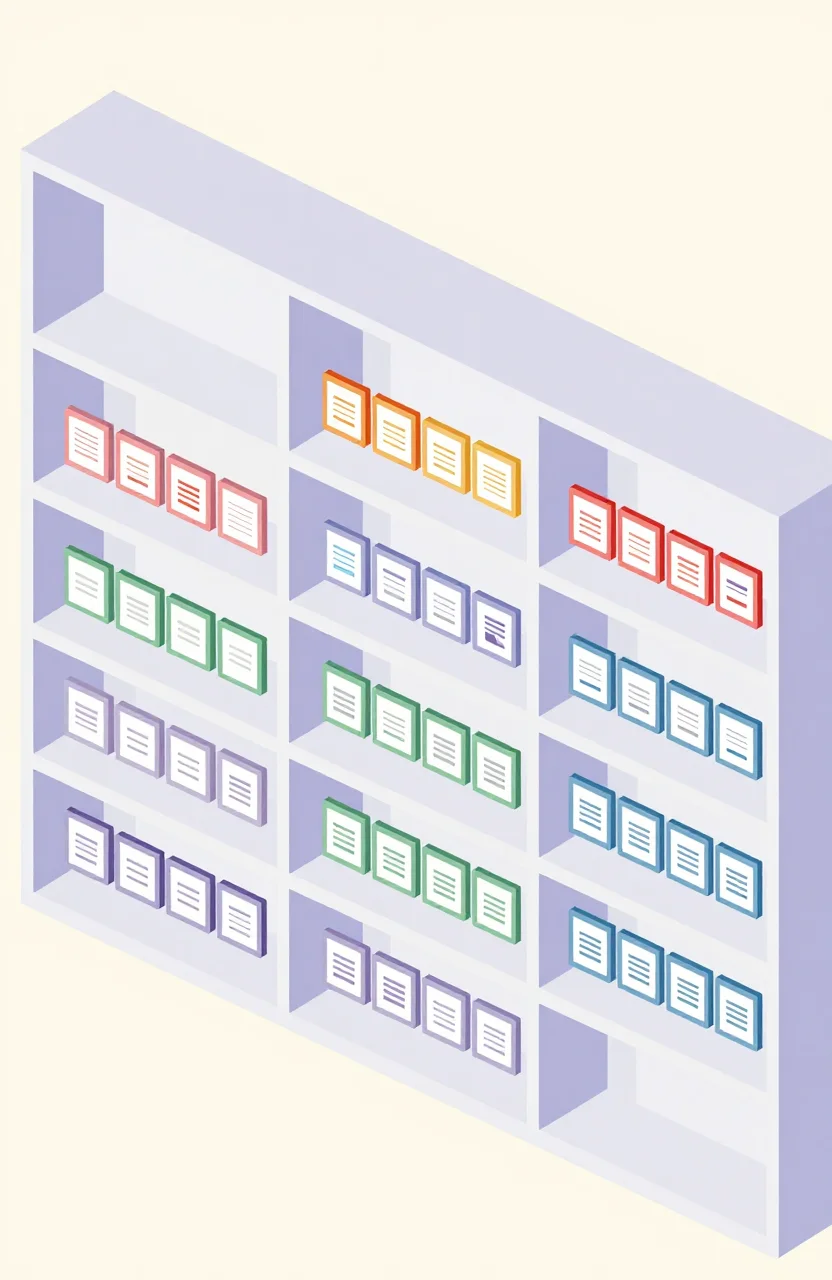
Eight to twelve free listings that you can maintain beat forty abandoned profiles. Maintenance means changing the tagline when you reposition, fixing dead links, and removing screenshots of retired features. If you cannot maintain a URL, do not submit it yet.
Browse the ListYourProject directory to see how finished listings present themselves, then mirror that clarity on free forms. If you still need an account to manage your project page, sign up and lock the primary listing before you open another tab of free submissions.
Free directory pages work when they extend a finished story. They fail when they become the story. Finish ListYourProject first, then use the free list as a controlled second wave. Your future self will thank you when a pricing change takes twenty minutes to sync instead of a weekend of archaeology.