
You claimed a directory listing on Monday. By Friday you refresh Ahrefs and Search Console looking for fireworks. Nothing moved. Panic is optional. Directory backlinks rarely rewire rankings overnight. Most founders who stick with a clean plan start seeing useful signals somewhere between two and twelve weeks, and those signals arrive in stages.
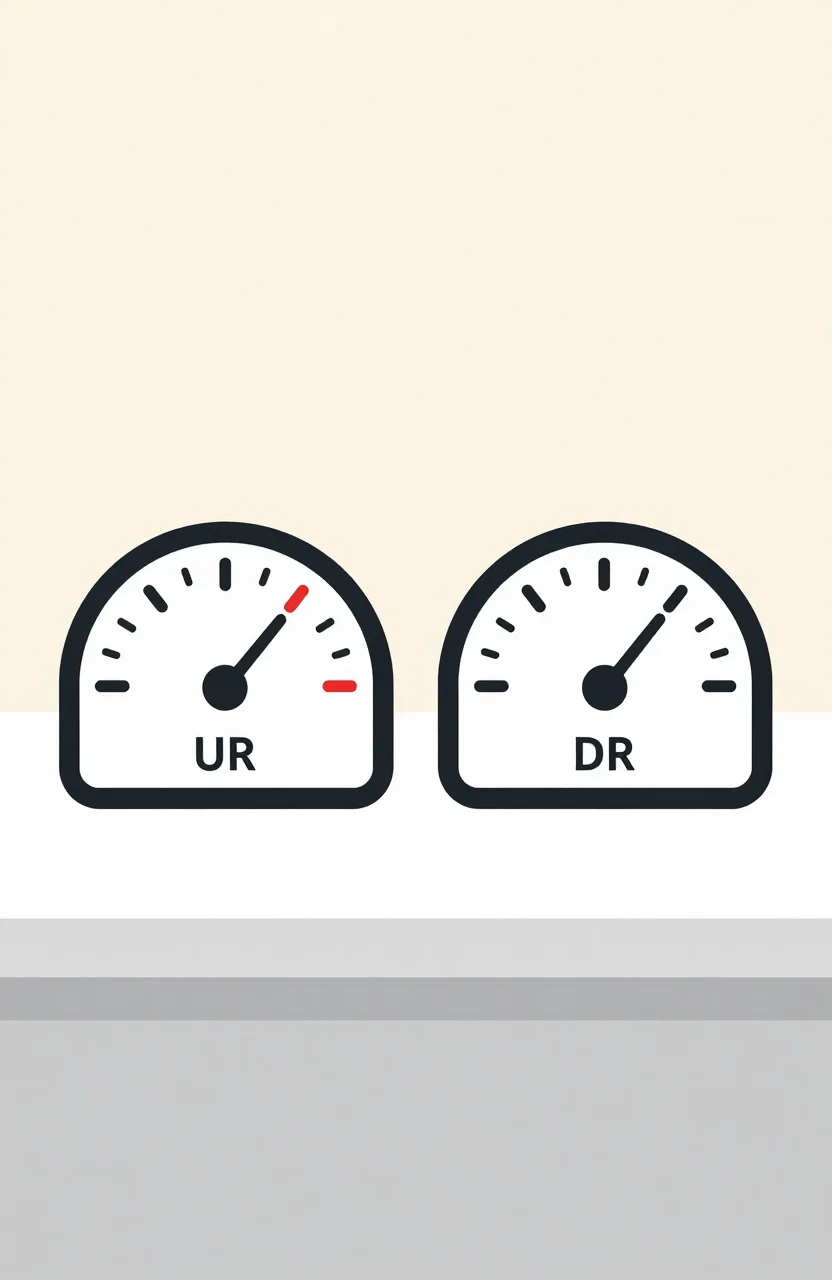
This article sets a realistic timeline for directory backlinks and tells you what to watch: indexation, referral traffic, and Domain Rating noise. It is not a post about why your DR dropped, and it is not a deep dive on UR versus DR definitions. For reading authority scores without overreacting, see how to read a directory's authority score.
A realistic 2 to 12 week timeline
Think in phases, not in a single magic day.
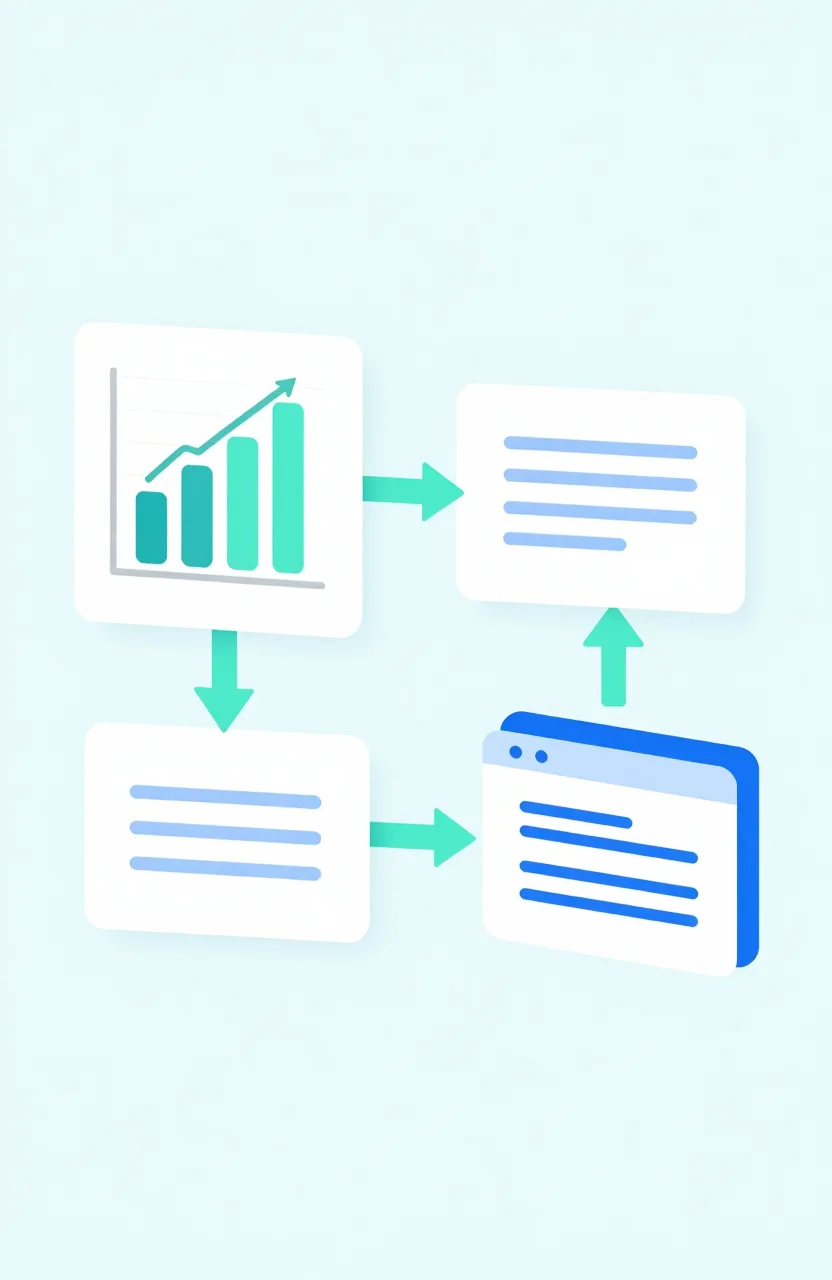
Days 1 to 14: discovery and indexation
First, search engines have to find and process the listing page that links to you. That can happen in hours on a frequently crawled directory, or take a couple of weeks on a quieter site. Your job in this window is boring and important:
- Confirm the listing is live and publicly reachable.
- Confirm your target URL resolves without redirects loops or soft 404s.
- Request indexing for your important pages if they are new, then wait.
Do not expect ranking jumps here. Expect the link to become eligible. If the listing never gets indexed, the SEO value stays theoretical even when the HTML includes a dofollow anchor.
Weeks 2 to 6: early trust and referral tests
In this middle window you often see the first real-world proof: referral sessions in analytics. A handful of visits from a curated directory can matter more than a vanity metric bump. Watch bounce behavior and whether visitors hit signup or pricing.
Ranking movement, if any, tends to be modest and uneven. A long-tail page may inch up while your homepage sits still. That is normal for a young site collecting its first relevant links.
Weeks 6 to 12: compounding with content and more links
Directory backlinks work best as part of a plan, not as a lone silver bullet. By week six to twelve, founders who also publish a pillar page, fix technical basics, and add a few more vetted listings usually see clearer ranking stability. If you need a structured calendar, follow the 30-60-90 day SEO plan and treat directory claims as infrastructure inside that timeline.
Past twelve weeks, keep measuring. Some competitive queries take longer. The point of the 2-12 week frame is expectation setting for early signals, not a hard guarantee that every keyword peaks by day ninety.
What to watch instead of refreshing DR daily
Founders waste energy on the loudest dashboard number. Watch the quieter ones first.
Indexation of the listing and your target page
Use site search or Search Console URL inspection to confirm both sides exist in the index: the directory listing page and the page it points to. If either side is missing, fix that before you debate ranking theory.
Also check that the link points to the URL you actually want to grow. Homepage links help brand queries. Product or pillar links help the pages that convert. Misaligned targets slow the story you are trying to tell.
Referral traffic quality
Open analytics referrals filtered to the directory hostname. Ask:
- Are sessions human-shaped (reasonable duration, pages per session) or bot-shaped?
- Do visitors land and leave instantly, or click into pricing and docs?
- Does a coupon or clear CTA on the listing improve conversion versus a bare link?
Referral proof arrives earlier than ranking proof for many niches. Celebrate useful clicks. They fund the patience SEO requires.
DR noise versus meaningful movement
Domain Rating and similar scores move on their own schedule. They can jump, stall, or dip while your actual organic traffic improves. Treat DR as a lagging, incomplete proxy. A relevant dofollow listing from a browsable directory can help long before a third-party score congratulates you.
If DR flickers while indexation is healthy and referrals look real, keep shipping. Score panic is how founders abandon good plans at week three.
Variables that speed up or slow down results
Two sites can claim the same directory and see different clocks. Common variables:
- Site age and baseline: brand-new domains usually need more time than sites with existing crawl history.
- Page quality: thin pages rarely climb even with decent links. Strengthen the target page first.
- Query difficulty: head terms move slower than specific long-tail intents.
- Directory quality: curated, relevant listings beat spam farms. Vet before you submit.
- Link neighborhood: one clean listing outperforms ten low-context URL dumps.
You control most of these. You do not control Google’s exact crawl timing. Build for the factors you own.
A calm monitoring cadence for bootstrapped founders
Pick a lightweight rhythm so you are not living inside dashboards:
- Day 0: listing live, URL checked, analytics annotation added.
- Day 7: indexation check for listing and target page.
- Day 21: referral review and first Search Console glance on target queries.
- Day 45 and day 90: ranking and conversion review, plus decide whether to add another vetted directory.
Between checkpoints, build product and content. The founders who “give directory SEO three days” almost always under-sample the timeline. The founders who ignore measurement for six months also miss bad listings that should be dropped.
Keep a shortlist of quality places to expand next on our backlink resources page. Add them on purpose after you see early signals, not as a panic spray when week two looks quiet.
When to wait, when to adjust
Wait if indexation is pending, the listing is live, and your target page is solid. Adjust if the listing never indexes, referrals are junk, or the directory fails a basic quality check. Adjust also if you linked the wrong URL or the page has technical errors.
Ranking movement is noisy. Useful systems are not. Claim curated listings, confirm they are findable, watch referrals, and give the 2-12 week window a fair run before you rewrite your entire SEO strategy. Directory backlinks are slow compounding assets. Treat them that way and they stop feeling like a broken slot machine.