
Opening Ahrefs and seeing URL Rating fall feels personal. It is not Domain Rating. It is not Google Search Console. It is a page-level score that can move when the link graph around that URL changes - including changes you made inside your own site. If you already read why Ahrefs DR drops, park that mental model for a minute. UR and DR answer different questions.
This guide is for founders who saw "why did my UR drop on Ahrefs" in a search box at 11pm and need a calm checklist, not a panic rewrite of the roadmap.
UR is about the page, not the whole domain
Ahrefs URL Rating estimates how strong a single URL looks in their link graph relative to other URLs they track. Domain Rating estimates the strength of the whole domain. We unpack the pair in Ahrefs UR vs DR for new sites. The practical takeaway: a homepage can hold steady DR while a blog post, docs page, or pricing URL loses UR because something changed for that URL.
UR moves when Ahrefs thinks the inbound link picture for the page got weaker or noisier. That picture includes external links and, importantly for young sites, internal links. Google still ranks with its own systems. Ahrefs is a third-party map. Treat the drop as a clue about the map, then verify with crawl data and analytics before you change strategy.
Common causes that actually show up on new sites
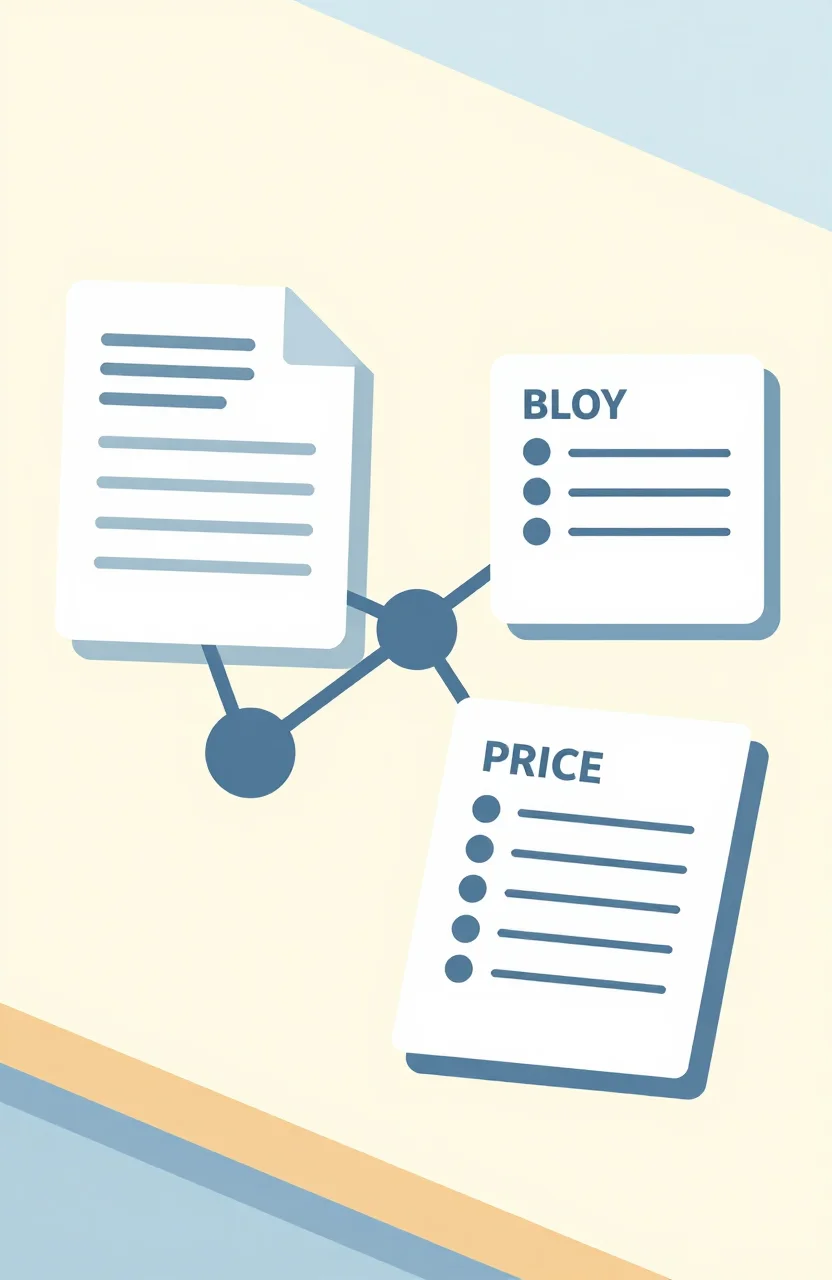
Lost internal links are the quiet killer. You redesign navigation, remove a footer block, change the blog index, or stop linking from the homepage to a launch post. External links may be unchanged. Ahrefs still sees fewer paths pointing at that URL. UR can fall even though you "did nothing" to backlinks.
Orphan pages are the extreme case. A URL exists, gets indexed once, then nothing in your current templates points to it. After a theme update or a CMS cleanup, old posts become islands. Tools that rely on crawlable paths will downgrade how connected the page looks.
External losses still happen. A directory listing URL changes. A partner removes a roundup. A GitHub README gets rewritten without your site. Those are real. Confirm in the backlink report for that exact URL before you assume a conspiracy.
Graph refresh and score recalculation create noise. Ahrefs periodically reweights what it knows. Peers gain or lose links. Your relative position shifts without a dramatic event on your side. That is closer to weather than to a penalty.
URL moves without redirects deserve their own line. If you renamed a slug and forgot a 301, the old URL loses everything that pointed to it in Ahrefs' view, and the new URL starts near zero until the graph catches up. Always check whether you are staring at the old address.
When you can ignore the drop
Ignore (or at least deprioritize) the alert when organic clicks and impressions for that URL are stable or rising in Search Console over four to eight weeks. Metrics that pay the bills beat a vendor score.
Ignore single-digit wiggles on young pages that barely have a link history. New URLs bounce between low values while Ahrefs ingests data. Screenshot the number, set a reminder for 30 days, and keep shipping.
Ignore drops that coincide with a known Ahrefs update week when nothing on your site or in your backlink list changed. Recheck the same URL after the next refresh cycle before you allocate founder hours.
Do not ignore the drop when the page is a money page (pricing, signup, core feature) and you also see referral or ranking declines. Do not ignore it when you know you orphaned the page. Do not ignore a collapse that tracks a removed redirect or a deleted listing.
A calm 30-day plan instead of a spiral
Day one: confirm the exact URL. Open Ahrefs on the live canonical. Compare to the previous slug if you migrated. Note DR separately so you do not mix stories.
Days two and three: audit internal links. Search your templates and key pillars for the URL. Add natural links from related guides and from hub pages people already visit. Fix orphans. This alone fixes a surprising share of "mystery" URLs.
Days four to seven: scan external referring domains for that URL only. Recover what is recoverable (update a listing, ask a partner). Skip spam outreach to replace one lost link with ten junk ones.
Weeks two and three: improve the page itself. Clearer title, stronger intro, updated screenshots, internal links out to supporting content. If the page deserves traffic, make it deserve the crawl.
Week four: review Search Console and analytics again. If business metrics are fine and UR is still lower, log it and move on. Fold the lesson into your wider cadence from the 30-60-90 day SEO plan instead of living inside Ahrefs alerts.
How this differs from a DR drop response
DR drops push you to think about the whole domain: link acquisition quality, lost referring domains at scale, relative peer movement. UR drops push you to think about one address: internal architecture, redirects, page-level referring URLs, and whether that page is still in your information architecture.
Mixing the playbooks wastes time. Rebuilding a domain-wide outreach campaign because one blog post lost two internal links is the wrong medicine. Likewise, obsessing over a footer change will not fix a domain that lost dozens of external referring domains.
Keep both scores on a monthly review, not a daily dashboard. Use them to ask better questions. Let Search Console and product metrics decide whether you act this week. A lower UR is a prompt to inspect a page - not a verdict on your company.