A directory listing is not a mini landing page and it is not a tweet. It is a skimmable pitch: title, short description, category, and often a coupon or deal line. Buyers compare options side by side. Your job is to make the click feel obvious without sounding like a billboard.
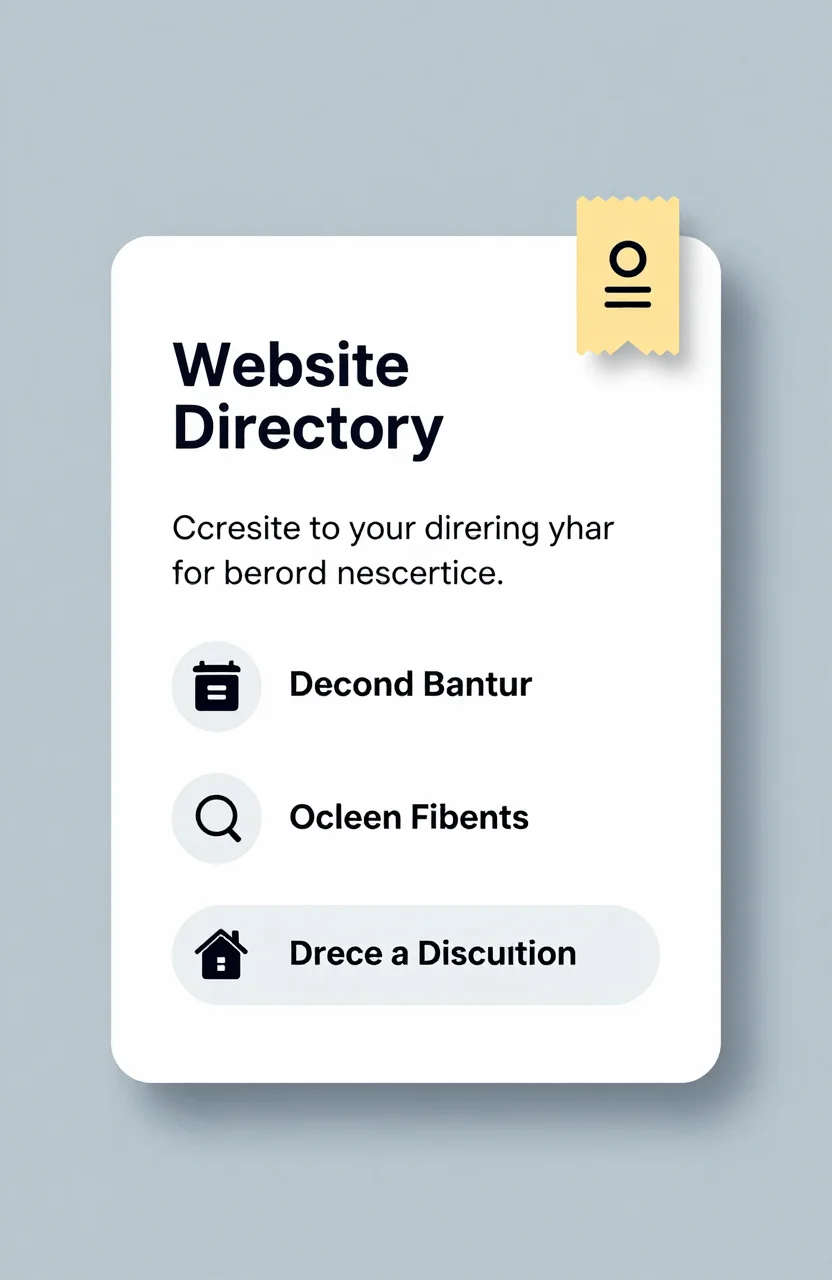
This guide walks through how to write a project listing that sells the click and, when it helps, the coupon. You will fill the form on create your website listing, then appear among other projects in the directory. If you still need an account, sign up first so you can edit and refresh the listing as your offer changes.
Write the title like a product name, not a slogan
Your title should match how people search and how they remember tools. Use the real product name. Add a short category clue only if the name alone is opaque. "LedgerLite - invoicing for freelancers" beats "The #1 AI-powered finance revolution."
Keep length tight. Long titles wrap badly in grids and get cut off on mobile. Front-load the brand, then the function. Avoid ALL CAPS, emoji spam, and year-stamped hype ("Best 2026!!!") that ages overnight.
If you rebrand or ship a major pivot, update the title the same week. Stale names kill trust. Directory visitors assume your listing is current; a wrong product name makes them bounce before they read the description.
Test the title out loud. If you would not introduce the product that way at a meetup, rewrite it. Clarity beats cleverness in comparison UIs.
Craft a description that answers three skimmer questions
Most visitors spend a few seconds on a card. Your description must answer: What is it? Who is it for? What happens after I click? Lead with the outcome, then the audience, then a concrete proof or constraint.
Example shape: "Project timeline software for agencies that juggle multiple client boards. Sync deadlines, owners, and status in one view. Free for up to 3 projects." That is specific. "We help teams collaborate better with next-gen workflows" is not.
Use plain verbs. Ship, track, generate, compare, export. Skip "leverage," "empower," and "seamless." You are writing for founders and operators scanning alternatives, not for a brand manifesto.
Stay honest about stage. If you are in beta, say so in one short clause. Overclaiming invites angry clicks and refunds. Underclaiming is safer than inventing enterprise features you do not have.
Match the category you pick. If you list under SEO tools, the description should mention ranking, audits, or content workflows, not generic "productivity." Mismatched categories waste impressions and train the wrong audience to ignore you.
Make the coupon line sell without sounding needy
Coupons work when they reduce risk or reward decisive action. They fail when they scream desperation: "90% OFF TODAY ONLY PLEASE." Prefer a clear benefit and a clear limit. "20% off annual plans with code LIST20" or "14-day free trial, no card" both read as offers, not pleas.
Put the strongest offer first. If you have a trial and a discount, choose one primary hook for the listing field. Extra conditions belong on your pricing page after the click. The listing should not read like a legal footnote.
Align the coupon with the visitor's job. Early-stage founders care about free trials and low monthly tiers. Agencies care about seats and annual discounts. Student tools care about .edu deals. One coupon cannot please everyone; pick the segment your directory category attracts.
Keep codes short and memorable. Avoid lookalike characters (O vs 0). State expiry only if it is real. Fake urgency trains people to distrust your brand across every channel.
Refresh the deal when you change pricing. A dead coupon on a live listing is worse than no coupon. Schedule a monthly check: code still works, percentage still matches Stripe or your billing tool, landing page still shows the same offer.
Structure the full listing for scan, click, then convert
Think in layers. Layer one is the card: title, one-line promise, coupon hint, category. Layer two is the detail view: longer description, screenshots if available, links. Layer three is your site: pricing clarity and a signup that matches the promise.
On your site, mirror the listing language in the first screen. If the directory promised "invoicing for freelancers," do not greet visitors with an enterprise homepage. Continuity raises conversion. Discontinuity feels like bait.
- Title: brand + function, under ~60 characters when possible.
- Description: outcome, audience, concrete limit or proof.
- Coupon: one primary offer with a working code or trial path.
- Category: the niche buyers actually browse, not the broadest bucket.
- URL: deep link to the page that matches the promise (pricing or signup), not a vague homepage if you can avoid it.
Use consistent capitalization and punctuation. Mixed styles look unfinished. Prefer sentence case for descriptions. Save marketing punctuation for your blog, not for the listing body.
If you have social proof, use one tight fact: "Used by 120 agencies" or "Featured in Indie Hackers." Vague "trusted by thousands" without context reads empty. Numbers you can defend beat adjectives you cannot.
Examples of weak vs strong listing copy
Weak title: "Revolutionary AI Platform." Strong title: "CopyNest - brief-to-draft for content teams."
Weak description: "Our cutting-edge solution transforms how modern businesses operate in today's competitive landscape." Strong description: "Turn messy content briefs into first drafts your editors can ship. Built for in-house content teams of 3 to 15."
Weak coupon: "HUGE SALE CLICK NOW!!!" Strong coupon: "25% off the Pro plan for 3 months with code PRO25."
Weak category choice: dumping a design tool into "Marketing" because traffic looks higher. Strong choice: the category where design buyers already compare alternatives, even if volume is smaller.
After you publish, read your listing next to three competitors in the same category. If every card says "AI-powered" and "all-in-one," differentiate with audience or constraint. Specificity is how smaller products win clicks against louder brands.
Maintain the listing like a living asset
Treat the listing as part of your go-to-market checklist, not a one-time chore. When you change pricing, update the coupon. When you ship a major feature, refresh the description in the same sprint. When you kill a plan, remove promises that no longer exist.
Track what happens after clicks. If directory traffic arrives and bounces, the mismatch is usually messaging or page speed, not "directories do not work." Fix the landing experience before you rewrite the listing five times.
Rotate seasonal deals carefully. Black Friday codes that linger into February look abandoned. Either end them on time or replace them with a standing trial offer that always works.
Invite a teammate who did not write the copy to skim the card for ten seconds and repeat the offer back to you. If they cannot, rewrite. Directory shoppers are even less patient than teammates.
A strong listing sells the click first. The coupon sells the next step only when it is clear, true, and easy to redeem. Write for skimmers, keep your site honest to the promise, and update the listing whenever the product changes. That is how directory presence turns into trials instead of ignored impressions.