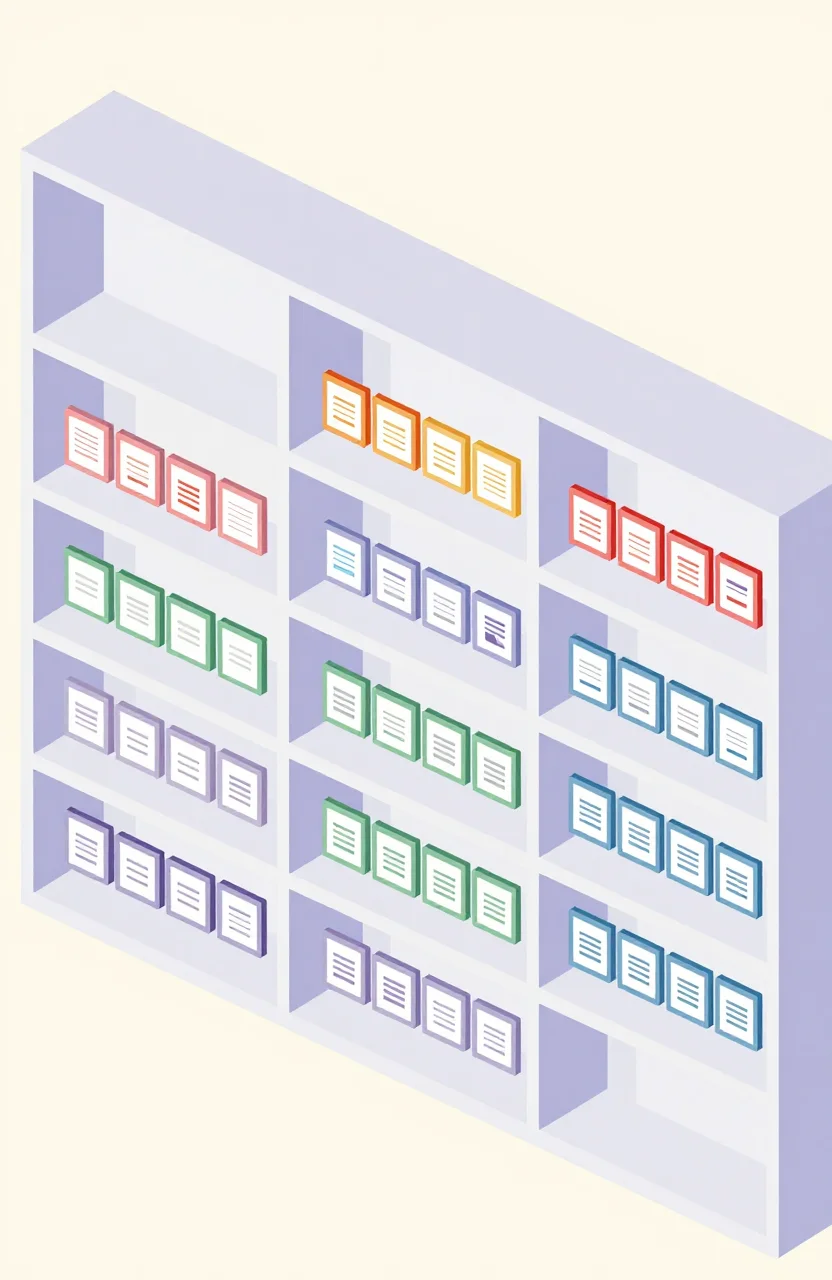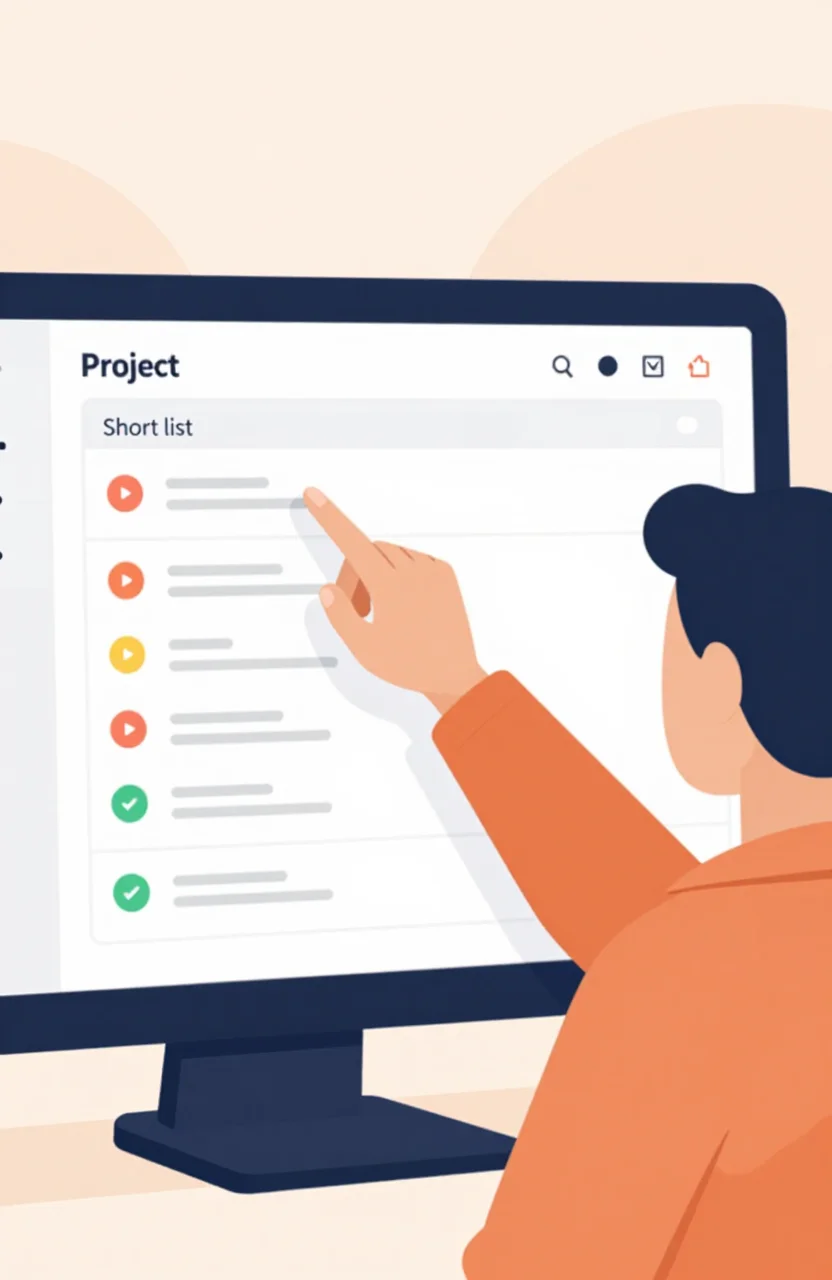

Leaderboards look old-fashioned until you watch a stranger land on a ranked list, scan the top ten, and click three tools in two minutes. That behavior still happens. Directory leaderboards send discovery traffic because they turn comparison into a short, public queue.
This is not a full-site SEO plan. It is about how rankings inside a directory create curiosity clicks that a lonely listing page does not get on its own. If you treat the board like a vanity trophy, you will miss the traffic pattern that still shows up in analytics.
Why ranked lists still pull attention
People trust ordered lists more than they admit. A leaderboard implies criteria: votes, visits, recency, or category performance. Even when the formula is simple, the order gives visitors a starting point. Starting points reduce decision fatigue.
Browse the ListYourProject leaderboard with that lens. You are not looking for vanity. You are looking at a discovery surface where projects compete for the same short attention window. A listing buried on page twelve of a category can still appear in a ranked view that people check weekly.
Social proof works sideways here. Visitors do not need to know your brand. They need to see that other people engaged enough for you to appear near peers they recognize.
Ranked shortlists also travel. People screenshot them, share them in chats, and return to check who moved. That repeat attention is hard to buy with a static category page that nobody bookmarks.
For early products with almost no brand search, that repeat scan is often the first steady stream of cold visits you can measure without running ads.
Discovery versus classic SEO work
Organic search rewards pages that match queries over time. Leaderboards reward products that earn engagement inside the directory. Those are different engines. You can invest in both, but confusing them leads to the wrong weekly tasks.
If your goal this month is directory discovery, optimize for a complete listing, a clear category, and activity that leaderboard rules can measure. If your goal is long-term Google rankings for your own domain, that is a separate content and link plan. Do not expect a leaderboard slot to replace either job.
Referral traffic from a leaderboard often arrives curious but cold. Your landing page still has to explain the product in seconds. Rankings create the click. Clarity keeps the visit.
Think of the leaderboard as a storefront window on a busy street. SEO is the map that brings people to your own address later. Both matter. They do not share the same weekly checklist.
What actually moves you on a leaderboard
Most directory leaderboards lean on signals you can influence without a marketing department: profile completeness, clicks from the directory, votes or saves if the platform offers them, and freshness of the listing. Dead screenshots and empty descriptions rarely climb.
Ship the basics first. Then ask what the leaderboard counts. If it counts visits from the directory, improve your title and first line so category browsers click you. If it counts community votes, ask real users who already like the tool, not strangers in random Discords.
Gaming the board with empty accounts usually backfires. Platforms notice. Worse, the traffic you win is low quality and teaches you nothing about messaging.
Consistency beats spikes. A listing that earns steady clicks each week often outlasts a one-day vote blast that collapses when the friends stop refreshing.
A lightweight weekly routine
Once a week, open the leaderboard in your category, note who sits above you, and compare their listing copy to yours. Steal structure, not adjectives. Update one element on your page: screenshot, tagline, or category. Small edits compound when the board refreshes often.
Keep the routine under thirty minutes. Leaderboard work should feel like maintenance, not a second job that crowds out shipping the product.
How to turn leaderboard clicks into learning
Tag the referrer in your analytics if you can. Watch bounce rate and signup rate from leaderboard sessions separately from blog traffic. Leaderboard visitors often compare alternatives in one sitting. Your page should help that comparison with a sharp first screen, not a long brand story.
If clicks rise but signups stay flat, the leaderboard is doing its job and your offer page is not. Fix the page before you chase a higher rank. Ranking harder into a weak landing page just burns attention.
When you are ready to place the listing that feeds the board, explore the directory and create an account so your project can appear where rankings and browsing meet. Discovery starts with a page that exists and can be ranked.
After a month, review whether leaderboard visitors ask different questions than search visitors. That feedback is gold for your homepage and for the next listing edit.
Keep expectations honest
Leaderboards will not replace word of mouth, product quality, or a clear homepage. They will put your project next to alternatives at the exact moment someone is in a browsing mood. That moment is valuable for early tools that lack brand search volume.
Treat the board as a recurring discovery channel. Check it, improve the listing, and measure the visits. Skip the fantasy that a single rank spike solves growth. Steady presence on a watched list still beats an invisible profile that nobody can compare.
Do not panic if you sit mid-pack. Mid-pack visibility still beats unlisted. Many visitors scan beyond the top three when they are researching seriously.
Directory leaderboards remain useful because humans still like ranked shortlists. Give them a listing worth ranking, then meet the click with a page that explains the tool without theater.