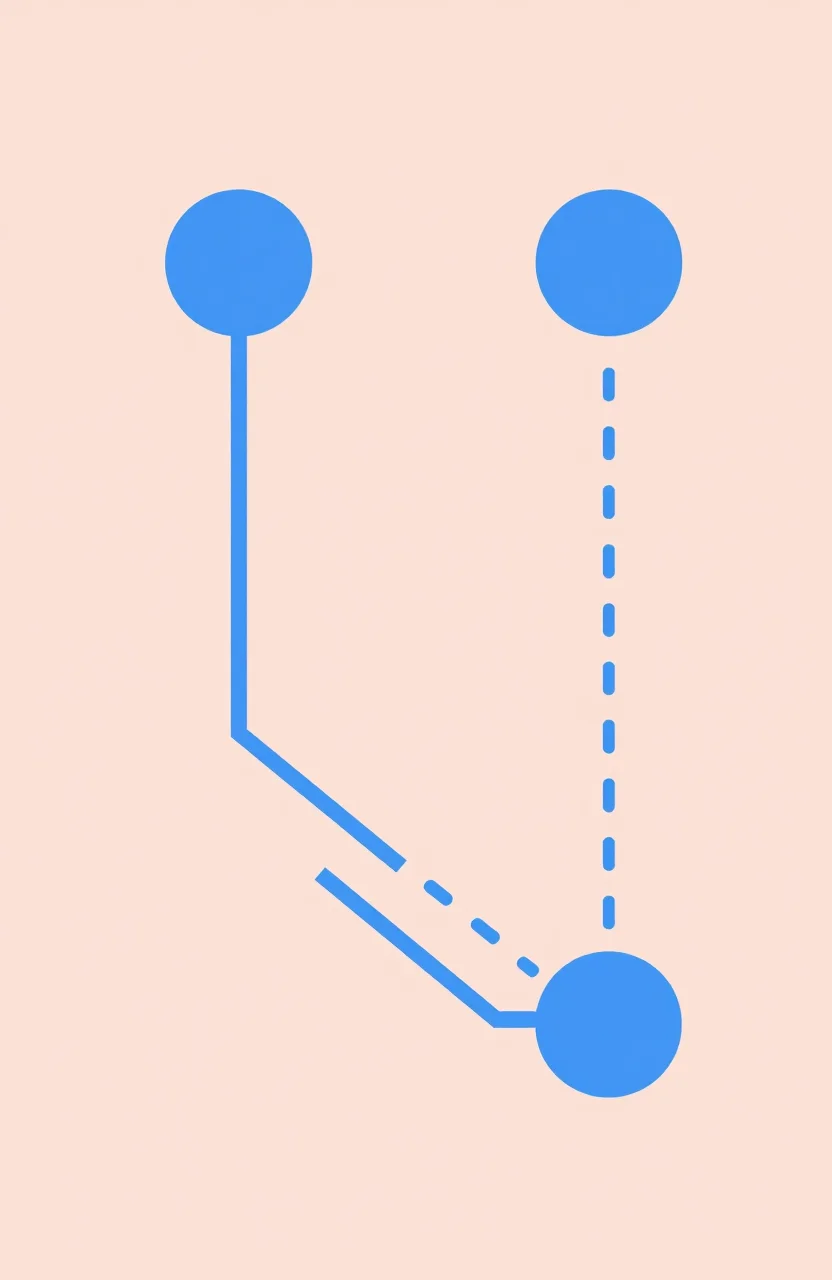
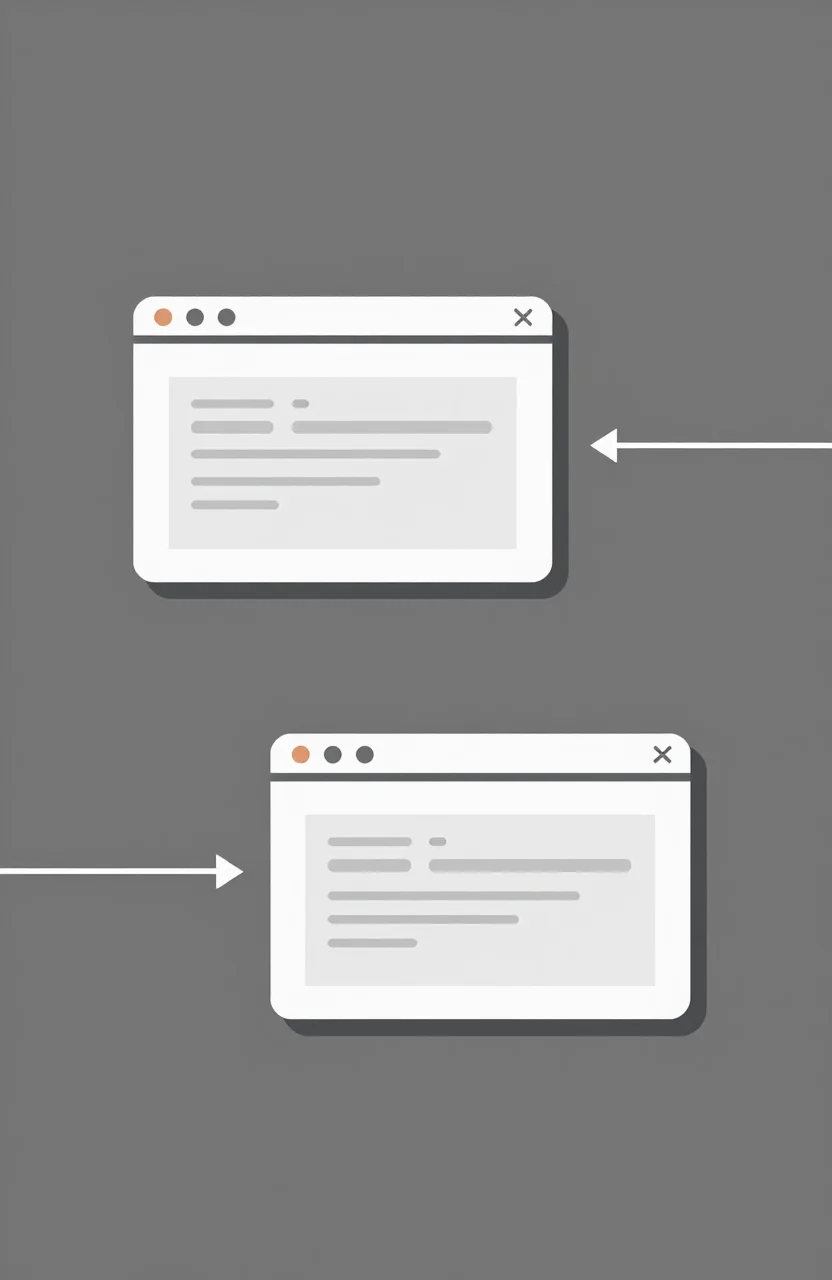
A backlink is a hyperlink from one website to another. When Site A links to Site B, Site B receives a backlink. That is the whole definition. Everything else you hear (dofollow, nofollow, Domain Rating, "link juice") is detail around that simple idea.
Founders hear "you need backlinks" before anyone explains what one is. This article stays on the definition, why links matter at all, and how a directory listing fits without turning into a list of fifty free sources. For practical places to start later, keep backlink resources bookmarked, and create an account when you are ready to list.
The plain definition
A backlink is an inbound link. From your site's point of view, it is a link that points to you. From the linking site's point of view, it is an outbound link. Same HTML element either way: an anchor tag with an href pointing at your URL. In practice you will see that markup in page source; you do not need to write it by hand to understand the concept.
Backlinks can point at your homepage, a blog post, a product page, or a deep URL. Search engines and people both use them. People click. Crawlers discover and evaluate. Neither step requires you to buy ads.
Not every mention is a backlink. A plain-text URL without a clickable link is a citation, not a backlink. A screenshot of your UI with no link is exposure, not a backlink. A social post may or may not include a real link depending on the platform. Precision matters when you measure progress.
Also separate "backlink" from "referral." A referral is traffic that arrived via a click. You can have a backlink that sends almost no traffic, and you can get traffic from places that pass little SEO value. Both can be useful. They are not identical.
Why search engines care about links
Search engines treat links as one signal among many. A link from a trusted, relevant page can help a crawler find your URL and can support rankings when other quality signals are present. A link from a spammy network can do nothing useful or can hurt if patterns look manipulative.
Historically, links were a core part of how the web was ranked because voting with a link was hard to fake at scale. Today the systems are more sophisticated, but the underlying idea remains: other sites choosing to point at you is evidence you might deserve attention.
That does not mean more links always equal more traffic. Relevance, anchor text, surrounding content, and whether the link is crawlable all matter. A single editorial link in a respected niche guide can outweigh dozens of footer links on unrelated blogs.
For a new site, links also help discovery. If almost nobody links to you, crawlers may find you slowly through sitemaps and direct visits, but the web graph stays thin. Early, relevant links shorten the path from "published" to "known."
Dofollow, nofollow, and other labels you will see
A standard link without special attributes is often called dofollow in SEO slang. It can pass ranking signals in the usual model. A link with rel="nofollow" (or related values like sponsored or ugc in some cases) tells crawlers to treat the relationship differently. Platforms add these attributes for user-generated or paid links.
Founders sometimes panic when a directory uses nofollow. Remember the definition: it is still a backlink. It can still send visitors. It may contribute less (or differently) to classic SEO goals. Discovery and branding still count, especially early.
Other labels you will meet:
- Referring domain: a unique site that links to you at least once. Ten links from one domain usually count as one referring domain.
- Anchor text: the clickable words. "Pricing page" and your brand name are different anchors with different risks if over-optimized.
- Internal link: a link from one of your pages to another. Helpful for users and crawl paths, but not a backlink.
- External link: a link from your site outbound, or loosely any link between different domains depending on who is speaking.
You do not need to master every metric tool on day one. You need to know that a backlink is a real HTML link pointing at you, and that quality and context beat raw count.
What a directory listing has to do with backlinks
When you list a project on a directory, the directory page often includes a link to your site. That link is a backlink if it is a real href to your URL. Whether it is dofollow or nofollow depends on the platform's policy. Either way, the listing can introduce you to people who browse for tools.
That is why listings sit in the same conversation as backlinks without being only an SEO trick. A good listing is distribution. The backlink is one byproduct. If you only chase the link attribute and ignore the copy, you waste the human side of the channel.
Compare that to guest posts, podcast show notes, or partner pages: each can create backlinks when a real link is included. The mechanism is identical. The channel and the editorial bar change. For a broader view of dofollow patterns by channel type, see the 2026 dofollow category breakdown.
Avoid confusing "I submitted a form" with "I earned a backlink." Some sites index a profile without linking out. Some delay publication. Some mark links as sponsored. Verify the live page and the actual href before you count the win.
How founders should talk about backlinks without the hype
Replace vague goals like "we need more backlinks" with clearer ones: "we need relevant sites to link to our pricing page" or "we need discovery in two niches we sell into." Specificity keeps you from buying junk packages.
Measure with both SEO tools and analytics. A link that never refers a session may still help crawl discovery, but your business also needs humans. Watch referral paths from directories and articles the same way you watch ads.
Be careful with language in pitches. Asking "can you add a backlink?" sounds transactional. Asking "would this resource help your readers if you linked to our guide?" respects the publisher. Same ask, better frame.
Ignore anyone who promises hundreds of backlinks overnight for a tiny fee. The definition is simple; manufacturing them at scale usually means low-quality pages that do not help your brand. Prefer fewer links from places your buyers already trust.
Finally, remember that content and product quality make links easier. People link to tools that solve a sharp problem and to articles that save them time. A backlink is a vote. Votes follow usefulness more often than they follow outreach scripts.
So: a backlink is a link pointing to your site. It can support discovery and rankings when it is real, relevant, and crawlable. Directory listings can create that link while also putting your offer in front of shoppers. Start with the definition, then build a short, honest acquisition plan. Resources and listings help; spam does not.